
The beauty of international tournament football lies in its ability to distort reality through the narrow lens of short-term results. When a traditional superpower stumbles in the early phases of a competition, the immediate reaction from pundits and fans alike is often one of existential panic, a rush to diagnose systemic failure where there might only be calculated restraint. This exact phenomenon surrounded the Spanish national team as they prepared for their high-stakes round of 32 clash at Arrowhead Stadium.
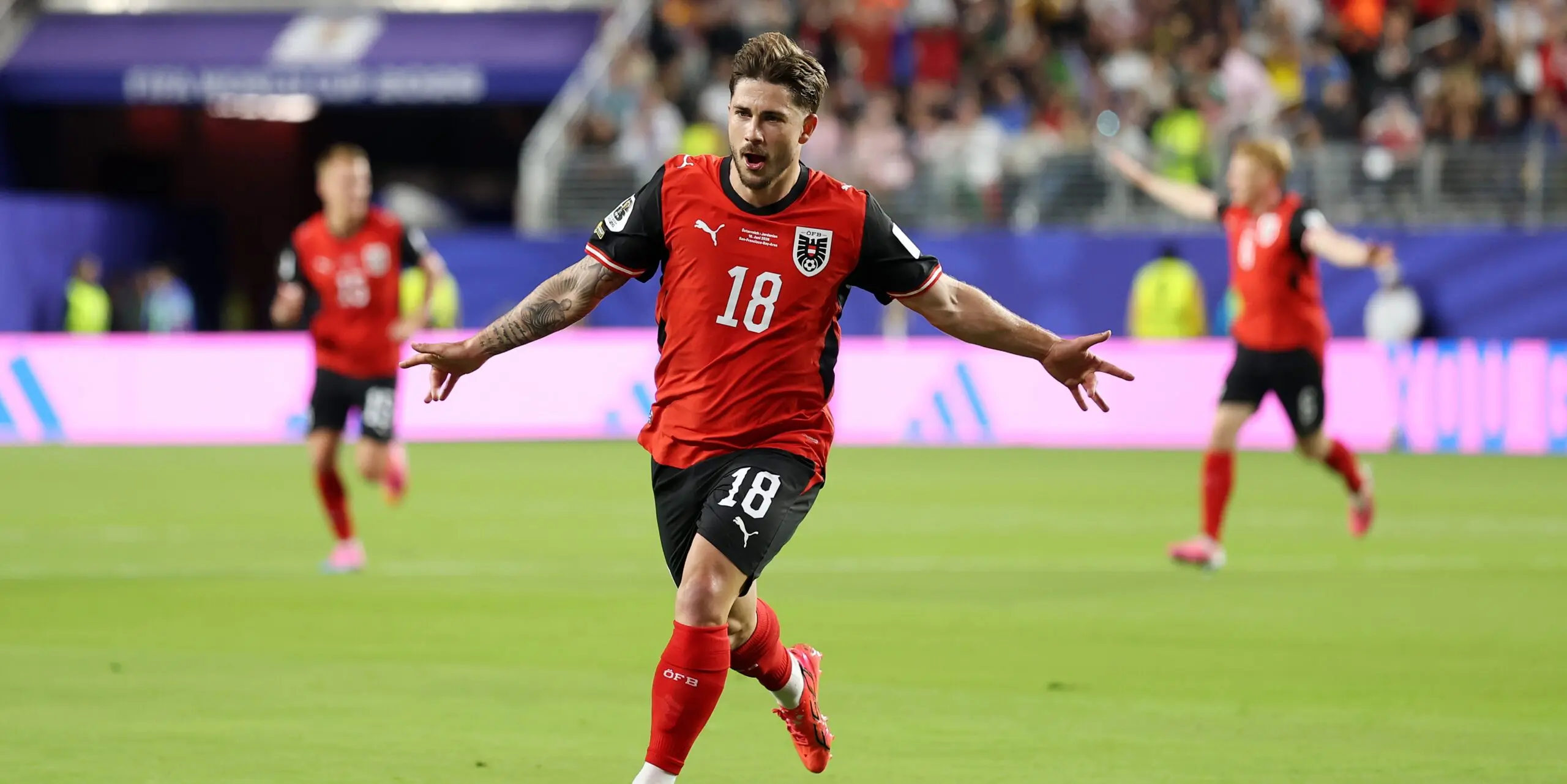
La Roja entered the knockout stage under an immense cloud of external pressure, a direct consequence of a highly scrutinized, seemingly toothless 0-0 draw against Cape Verde in the group stage. To the untrained eye, Spain looked sluggish, lacking the verticality and cutting edge that had historically defined their most glorious eras. Conversely, their opponents, Austria, arrived in Kansas City brimming with confidence, carrying the tactical momentum of a vibrant 3-1 victory over Jordan.
The pre-match narrative was framed around a fundamental question of control: would Spain’s traditional identity buckle under the weight of Austrian enthusiasm, or was that drab group-stage draw actually the sign of a mature, veteran side that simply knows exactly when to explode?
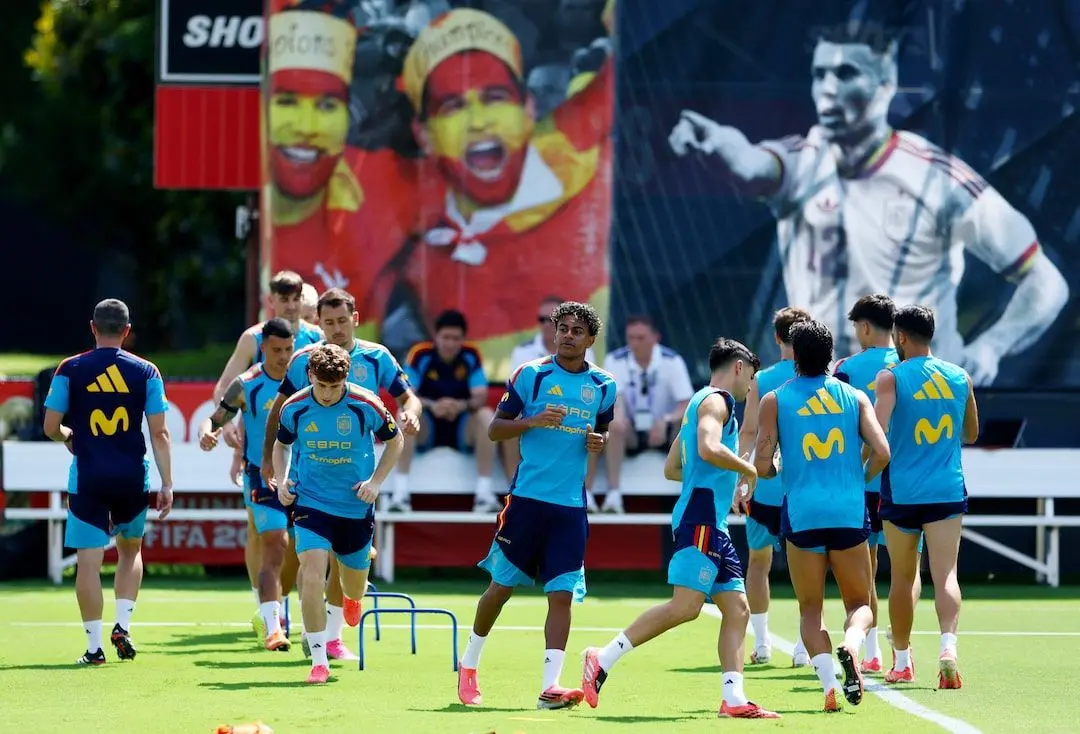
To appreciate the tactical chess match that unfolded at Arrowhead Stadium, one must first dismantle the anxiety that preceded it. Spain’s scoreless stalemate with Cape Verde was widely condemned in the Iberian press as a regression into the worst habits of tiki-taka—possession for the sake of possession, devoid of penetration or urgency. Yet, within the camp of a modern tournament strategist, a group-stage match is rarely viewed as a standalone spectacle; it is a component of a larger, seven-game physical and emotional macrocycle. In the grueling modern football calendar, peaking too early in a tournament can be a fatal flaw.
The history of the World Cup is littered with teams that played scintillating football in the opening week, only to suffer from physical burnout or tactical exposure by the time the quarter-finals arrived. Spain’s apparent stagnation against Cape Verde could logically be reinterpreted not as an inability to score, but as a deliberate preservation of energy, an exercise in low-risk game management designed to secure passage to the knockouts without revealing their tactical hand or exhausting their key personnel.
Austria, conversely, represented the exact opposite philosophical approach heading into the round of 32. Their emphatic 3-1 victory over Jordan showcased a team playing at maximum velocity, utilizing a high-pressing, vertically aggressive system that demanded immense physical output. Ralf Rangnick’s tactical disciples have long been known for their ability to overwhelm opponents through sheer intensity and rapid transitions. Entering Arrowhead Stadium, the Austrian camp felt that Spain’s perceived vulnerability was their golden opportunity. They intended to turn the match into a chaotic, high-tempo affair, betting that their superior athletic momentum would disrupt the rhythmic, technical passing lanes of La Roja.
The central question hovering over the stadium was which team would successfully impose its tempo on the match: would it be Austria’s frantic, vertical surge, or Spain’s hypnotic, deliberate control?
When the match commenced, the clash of styles immediately materialized, but with a subtle twist that caught many observers off guard. Spain did not look like a team paralyzed by the pressure of their previous disappointment; instead, they displayed the calm assurance of an apex predator that had spent the previous days conserving its strength. While Austria attempted to implement their trademark aggressive press from the opening whistle, Spain’s midfield exhibited an extraordinary level of technical resistance. The ball moved with a crispness and purpose that had been entirely absent against Cape Verde.
Rather than playing sideways, the Spanish midfielders utilized subtle body feints and quick, one-touch vertical passes to slice through the first wave of the Austrian pressure. It became quickly apparent that the 0-0 draw in the group stage had not been a permanent state of being, but rather a temporary baseline from which Spain could scale their performance upward when the stakes demanded it.
As the first half progressed, the logic behind Spain’s tournament pacing became undeniable. Austria’s high-energy system requires absolute physical perfection to be effective; if the press is even a fraction of a second late, elite technical players will exploit the space left behind. Because Spain had not emptied their physical tanks in the group stage, they possessed the sharpness and cognitive speed to find those spaces consistently. The Spanish winger play, which had looked isolated and predictable days earlier, suddenly became dynamic and fluid.
Overlaps were timed to perfection, and the central strikers began making diagonal runs that dragged the Austrian center-backs out of position. Spain was not merely keeping the ball to deny Austria possession; they were using possession as a weapon to tire out an opponent that had invested a massive amount of emotional and physical energy into their previous match against Jordan.
This tactical patience paid dividends as the match entered its critical phases. Football matches at this level are rarely won by ninety minutes of unrelenting attack; they are won by identifying the specific moments when an opponent’s structural integrity begins to fray and exploiting those moments ruthlessly. By the time the match shifted into the second half, the physical toll of Austria’s high-pressing style began to manifest. The gaps between their midfield and defensive lines grew wider, and their recovery runs became noticeably slower. This was the exact moment for Spain to explode.
Having lulled their opponents into a false sense of security through long spells of patient possession, La Roja suddenly shifted gears with terrifying velocity. The tempo of their passing doubled, and vertical line-breaking balls suddenly replaced the cautious, lateral recycling of the first half. It was a masterclass in game state manipulation, proving that top-tier teams do not need to play at maximum intensity for the entire duration of a tournament; they merely need the wisdom to know when to turn the dial to ten.
Ultimately, the spectacle at Arrowhead Stadium provided a definitive answer to the skeptics who had doubted Spain’s credentials after the group stage. A 0-0 draw against an organized low-block like Cape Verde is an uncomfortable aesthetic experience for fans, but in the grand calculation of a world championship, it can be a symptom of structural maturity. It showed a team that refused to panic, refused to overextend, and understood that the true tournament begins when the safety net of the group stage is removed.
Austria’s confidence, while justified by their brilliant form against Jordan, was ultimately swallowed up by a Spanish side that possesses an entirely different level of tournament pedigree. Spain demonstrated that true elite status is defined by the ability to manage workloads, adapt to the specific rhythm of knockout football, and deliver peak performances precisely when the margin for error drops to zero.
In light of Spain’s tactical transformation from a passive group-stage team against Cape Verde to a dominant, high-tempo force in the knockout round against Austria, do you believe that modern international tournaments have become so physically demanding that elite nations must intentionally underplay and conserve energy in the group stages to survive, or does this cautious approach risk creating bad habits and a lack of chemistry that could backfire against more clinical, top-tier opposition later in the bracket?