
“IT WAS DIANA ALL ALONG!” King Charles’ Stunning Confession at 77 Sparks Royal Frenzy as Decades-Old Palace Mystery Comes Crashing Down
For decades, few figures have captured the public imagination quite like Princess Diana. More than twenty-five years after her passing, fascination with her life, legacy, and influence remains stronger than ever. Now, a wave of renewed attention has swept across royal-watchers and social media users alike following reports and speculation surrounding what many have described as a “stunning confession” linked to King Charles III.
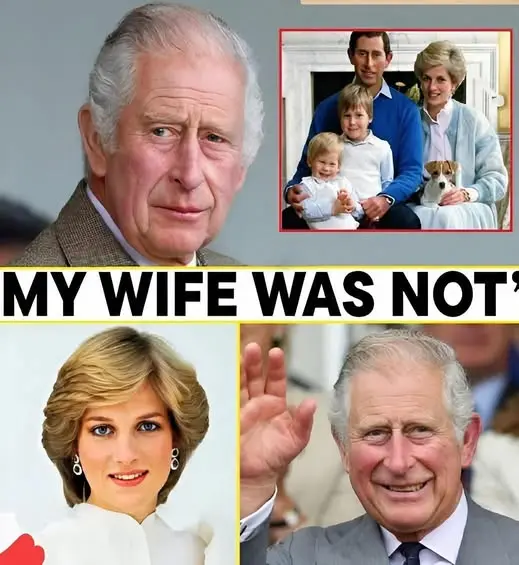
While headlines around the world have dramatically declared, “It Was Diana All Along,” the phrase has become less about a literal revelation and more about a growing acknowledgment of the extraordinary impact Diana continues to have on the modern British monarchy. The discussion has reignited conversations about her role in transforming public expectations of the royal family and how her influence remains visible even today.
At 77, King Charles finds himself leading a monarchy that looks remarkably different from the institution that existed when Diana first entered royal life. Many commentators argue that some of the qualities now expected from senior royals—openness, accessibility, emotional connection, and public engagement—are values that Diana helped popularize during her years in the spotlight.
The renewed debate began when royal commentators revisited historical interviews, public speeches, and royal developments spanning several decades. As discussions spread online, many observers suggested that one of the monarchy’s greatest transformations could be traced back to Diana’s unique relationship with the public.
For years, analysts have debated whether Diana was ahead of her time. During the 1980s and 1990s, she often approached royal duties differently from previous generations. She was frequently seen interacting directly with members of the public, speaking openly about social issues, and presenting a more personal side of royal life than many people had previously witnessed.
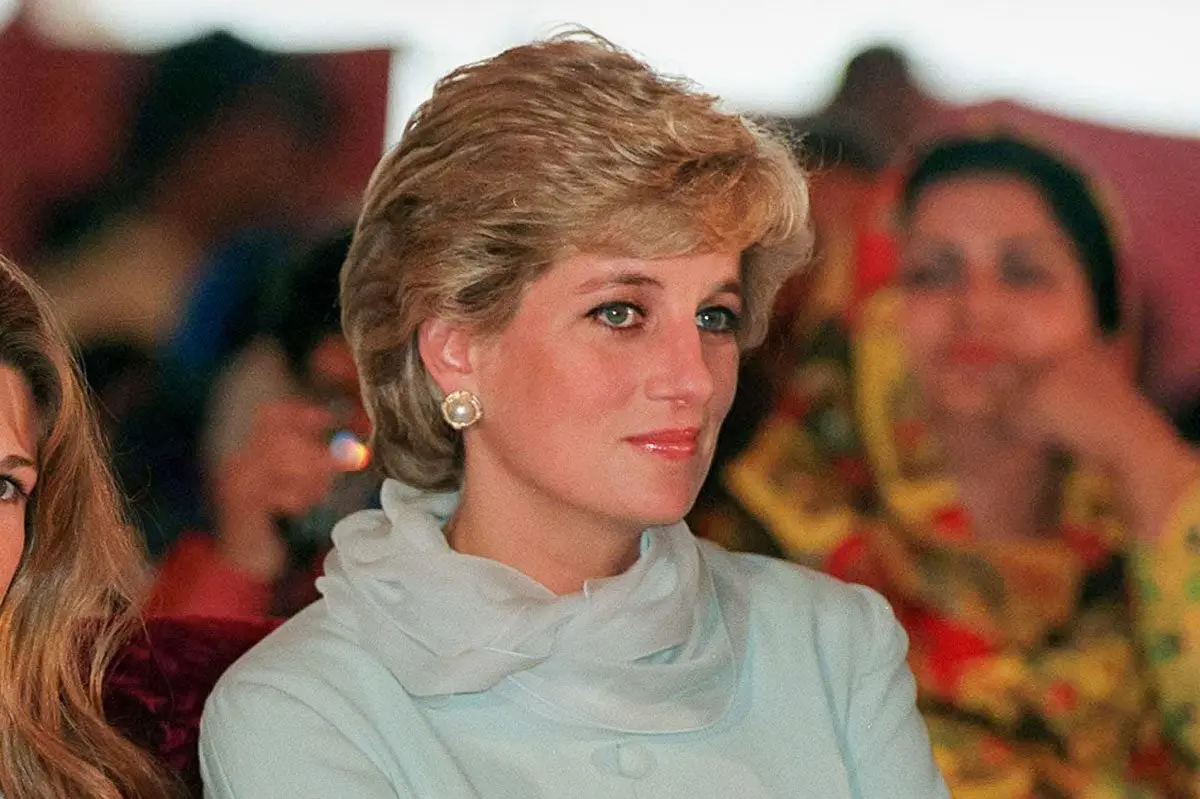
At the time, these approaches sometimes generated controversy. Traditionalists questioned whether such openness aligned with established royal customs. Yet in hindsight, many experts believe Diana anticipated the expectations of a new era—one shaped by global media, personal storytelling, and a desire for authenticity.
As a result, some royal historians now argue that many of the changes the monarchy has embraced over the past two decades reflect trends that Diana helped bring into the mainstream. From public engagement strategies to charitable outreach efforts, traces of her influence can still be found throughout the institution.
This is why the phrase “It Was Diana All Along” has resonated so strongly with audiences. Rather than suggesting a hidden palace secret, supporters of the idea argue that Diana’s impact was often underestimated during her lifetime but has become increasingly apparent as the years have passed.
The conversation has also prompted fresh reflection on the relationship between King Charles and Diana. Their marriage remains one of the most discussed chapters in modern royal history, generating endless books, documentaries, and public analysis. Despite the challenges associated with that period, many observers note that both figures played significant roles in shaping the future direction of the monarchy.
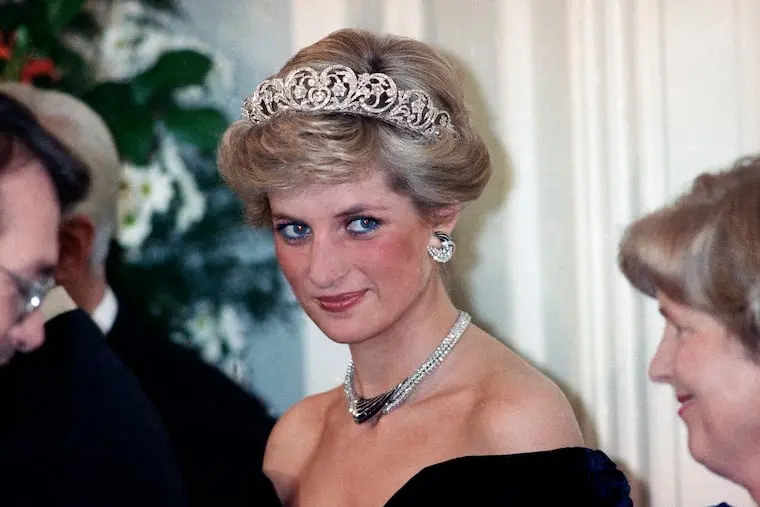
Today, King Charles oversees an institution navigating unprecedented changes. Public expectations continue to evolve, younger generations consume royal news differently than previous audiences, and social media ensures that every royal appearance receives immediate global attention.
In this environment, the legacy of Diana frequently returns to the forefront. Whether discussing charitable work, public relations, or family dynamics, commentators often reference the standards she helped establish. Some even argue that current royal popularity metrics cannot be fully understood without considering the foundation Diana created.
One of the most fascinating aspects of the current discussion is how it bridges generations. Many people who admired Diana during her lifetime remain deeply interested in royal affairs today. Meanwhile, younger audiences who never witnessed her public appearances firsthand continue to discover her story through documentaries, books, and online content.
This enduring appeal helps explain why even speculative reports connected to Diana generate enormous interest. Her story transcends traditional royal coverage and has become part of global popular culture. Few public figures maintain such influence decades after their time in the spotlight.
Royal experts frequently point out that Diana’s greatest contribution may have been her ability to connect with people on a personal level. She demonstrated that members of the royal family could appear relatable while still fulfilling ceremonial responsibilities. This balance between tradition and accessibility remains one of the monarchy’s most important challenges today.
Many analysts believe King Charles understands the significance of this legacy. Since becoming monarch, he has emphasized issues such as community engagement, environmental initiatives, and public service. While his approach is distinctively his own, some commentators see parallels with the broader evolution of royal communication that accelerated during Diana’s era.
The renewed attention has also highlighted the ongoing popularity of royal narratives in the media. Stories involving the British royal family consistently attract global audiences, particularly when they involve beloved historical figures. Diana remains at the center of countless discussions because her life intersected with themes of fame, duty, public perception, and personal resilience.
As headlines continue to circulate, it is important to distinguish between verified facts and dramatic interpretations. No officially confirmed statement from King Charles has revealed a hidden palace secret capable of overturning historical understanding. Instead, much of the excitement stems from commentary suggesting that Diana’s long-term influence on the monarchy is finally receiving the recognition many believe it deserves.
This perspective has generated considerable discussion among royal enthusiasts. Some argue that Diana fundamentally changed the monarchy’s relationship with the public and that her influence can still be seen in the activities of younger royals today. Others believe the institution’s evolution resulted from multiple factors, including technological change, shifting cultural values, and broader societal trends.
Regardless of where opinions differ, few dispute Diana’s lasting significance. Her charitable work, public image, and unique connection with audiences continue to shape how royal figures are perceived. In many ways, her legacy has become inseparable from the modern history of the monarchy itself.
The phrase “It Was Diana All Along” may therefore be interpreted less as a sensational revelation and more as a symbolic acknowledgment. For many observers, it reflects the belief that Diana’s influence has quietly endured behind countless developments that have transformed royal life over the past several decades.
As King Charles continues his reign, discussions about the monarchy’s future inevitably lead back to its recent past. Diana remains a central figure in that story, not because of any newly uncovered secret, but because her impact continues to be felt across generations.
The current frenzy surrounding the topic demonstrates just how powerful that legacy remains. Years after her passing, Diana continues to inspire debate, admiration, reflection, and fascination on a global scale. Whether through public service, media narratives, or changing expectations of royal life, her influence remains deeply woven into the fabric of the modern monarchy.
In the end, the enduring conversation may reveal something remarkable: that while royal institutions evolve over time, certain individuals leave marks so profound that their presence continues to be felt long after they are gone. For countless royal watchers around the world, that is the true meaning behind the headline claiming that it was Diana all along.