
“I Think Portugal Are the Clear Favorites, but There Are Two African Nations Capable of Achieving Something Extraordinary” – Cristiano Ronaldo’s Remarks Spark Debate Over South Africa and Morocco’s World Cup Potential
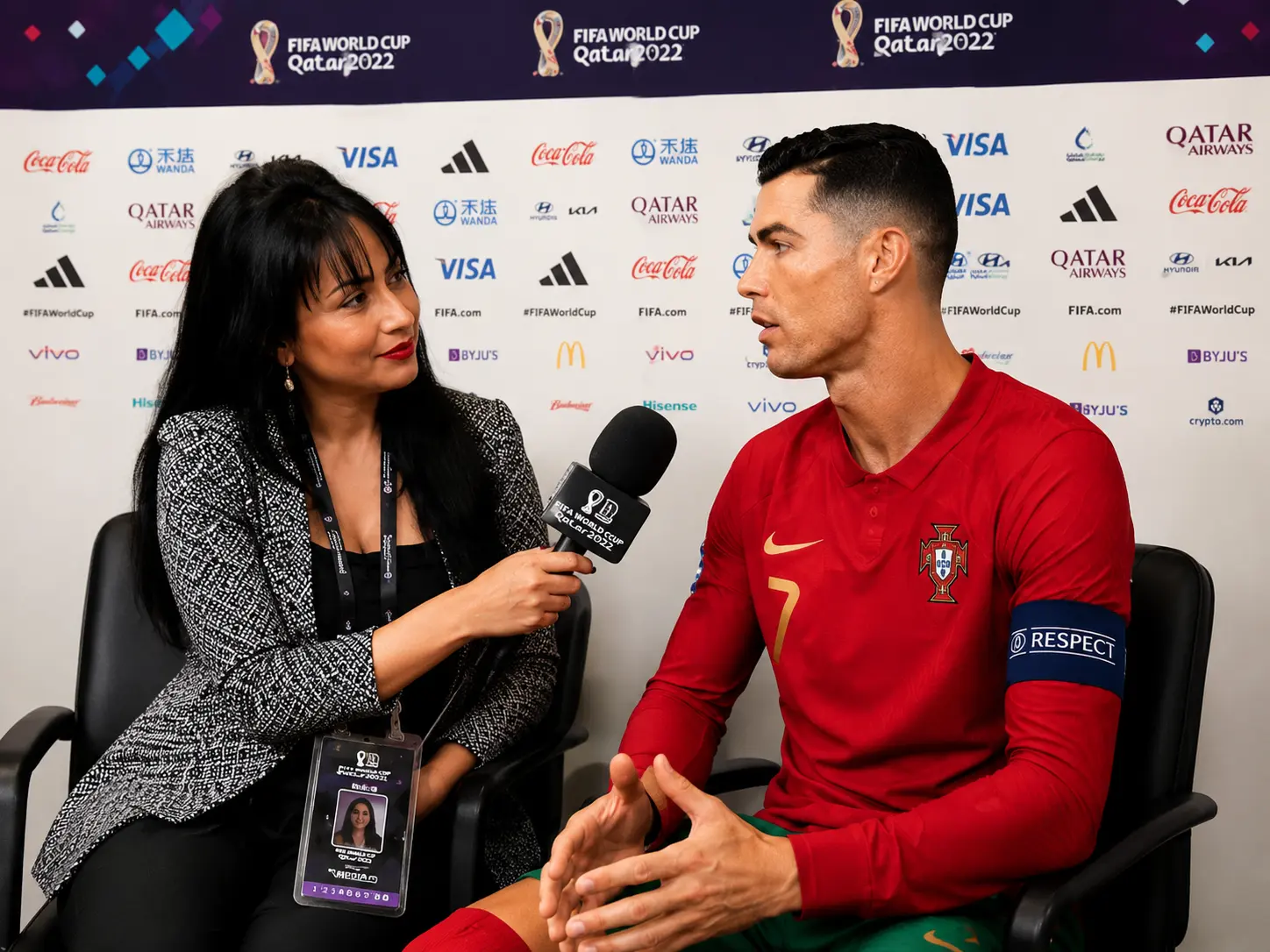
“I think the first and most obvious contender to win the World Cup is certainly Portugal. But there are two other countries that could achieve something extraordinary, and I believe both of them come from Africa.”
Those words from Cristiano Ronaldo immediately became one of the most discussed topics in world football. Speaking during a recent interview, the Portuguese icon offered a surprisingly detailed assessment of the current World Cup landscape, and while many expected him to mention traditional powers such as Argentina, France, Brazil, Germany, or Spain, Ronaldo instead turned attention toward two African nations: South Africa and Morocco.
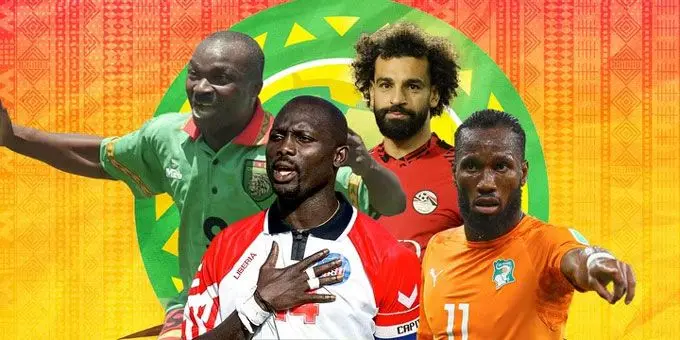
The comments quickly generated debate across football circles. Not because Ronaldo suggested Portugal could win the tournament—few would be surprised by that assessment—but because he openly stated that South Africa and Morocco possess qualities that could allow one of them to achieve what would arguably be the greatest accomplishment in African football history.
At first glance, the prediction appears controversial. Both teams have encountered significant challenges during the group stage, and neither entered the tournament among the bookmakers’ primary favorites. Yet Ronaldo insisted that focusing solely on current standings overlooks deeper factors that often determine success in major international competitions.
According to Ronaldo, the secret lies not in star power, individual talent, or tactical systems alone.
Instead, he pointed toward something he believes has been developing for years within both squads: collective identity.
“The strongest teams are not always the teams with the biggest names,” Ronaldo reportedly explained. “Sometimes the most dangerous teams are those where every player understands his role and sacrifices for the group.”
That statement immediately reignited discussions surrounding the remarkable rivalry that has emerged between South Africa and Morocco over recent years, particularly through their memorable encounters in African football.
Many observers continue to reference the African championship final between the two nations as a defining moment. Although opinions differ regarding which side produced the better football, the match demonstrated a level of tactical maturity and psychological resilience that impressed analysts worldwide.
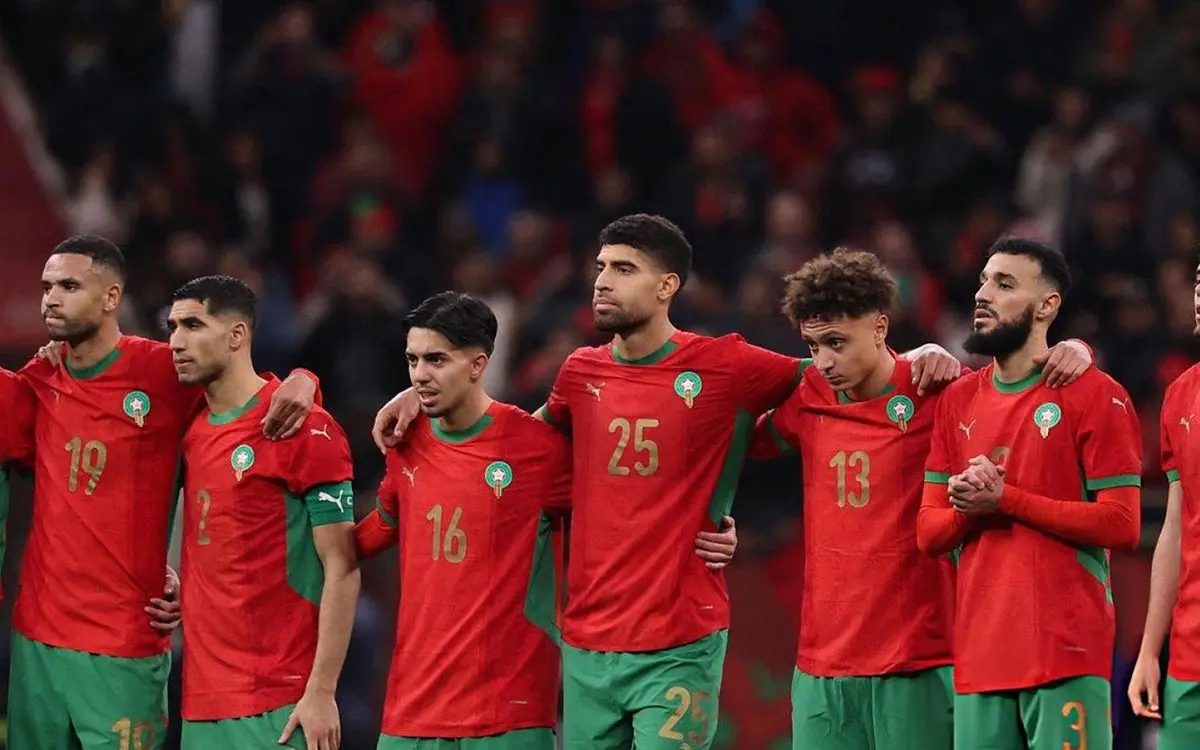
Supporters of Morocco often argue that the Atlas Lions have already proven their ability to compete with elite nations. Their historic World Cup performances in recent years fundamentally changed global perceptions of African football. They demonstrated that disciplined organization, technical quality, and tactical intelligence could bridge the gap between Africa and Europe’s traditional powers.
For many, Morocco’s achievements provide tangible evidence supporting Ronaldo’s assessment.
However, critics argue that Morocco’s previous success may actually increase pressure rather than reduce it.
The expectation level surrounding the team has changed dramatically. No longer viewed as underdogs capable of surprising opponents, Morocco now enters every major competition carrying the burden of expectation. Opponents prepare differently against them. Matches become more difficult. The psychological challenge evolves.
This is where Ronaldo’s comments become particularly interesting.
He suggested that Morocco’s greatest strength may not be the players themselves, but rather the collective belief created by previous success.
In international football, confidence can become a competitive advantage. Teams that genuinely believe they belong among the elite often perform differently under pressure. Morocco appears to have reached that stage.
South Africa, meanwhile, represents an entirely different argument.
While Morocco’s case is built on recent global recognition, South Africa’s potential remains far more controversial.
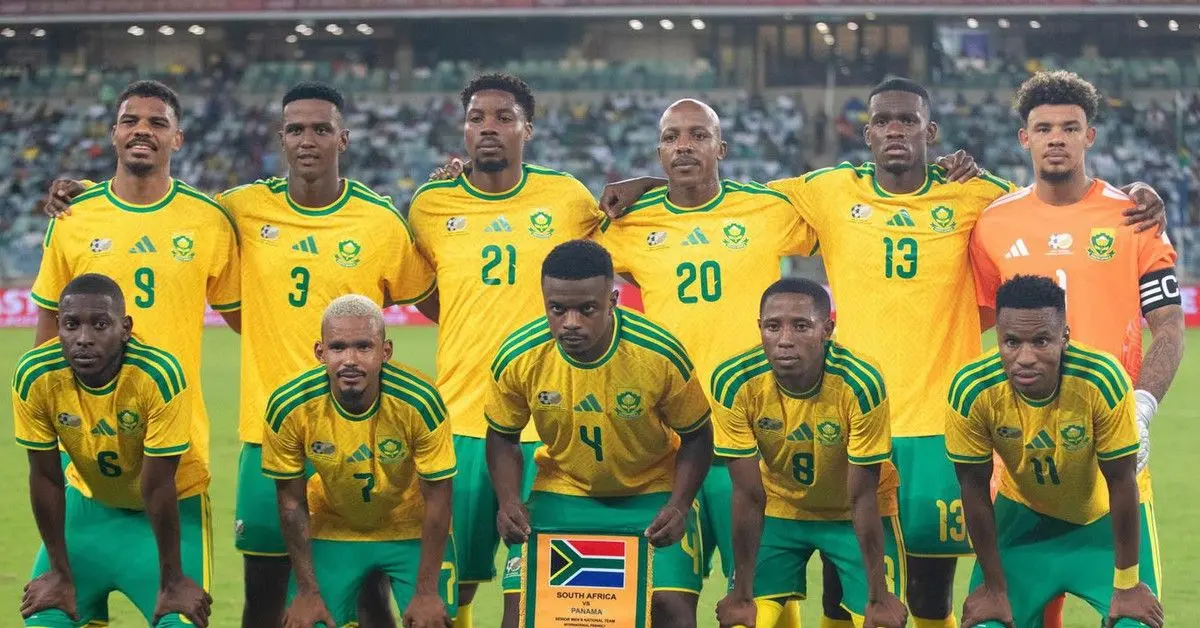
Many analysts continue to question whether South Africa possesses enough elite-level talent to challenge football’s established giants. Compared to France, England, Portugal, Argentina, or Spain, South Africa’s squad lacks internationally celebrated superstars.
Yet Ronaldo reportedly identified that very characteristic as one of their greatest advantages.
Without globally dominant personalities, South Africa operates as a collective unit. Their structure relies heavily on teamwork, tactical discipline, and relentless work rate. While those qualities may not generate headlines, they often become decisive factors during long tournaments.
Supporters frequently point back to the African final between South Africa and Morocco as evidence.
The match highlighted contrasting philosophies.
Morocco appeared technically superior for long periods, while South Africa demonstrated exceptional organization and resilience. Even those who favored Morocco’s style acknowledged South Africa’s ability to remain competitive against one of Africa’s strongest footballing nations.
That final has since become a recurring reference point whenever discussions arise regarding the future of African football.
Some argue Morocco emerged as the continent’s flagship team.
Others insist South Africa represented the blueprint for sustainable success.
The debate remains unresolved.
Perhaps that is precisely why Ronaldo repeatedly referenced both nations together rather than elevating one above the other.
His argument appears to center on the notion that these teams complement different aspects of modern tournament football.
Morocco offers technical excellence, tactical flexibility, and proven international credibility.
South Africa offers collective discipline, resilience, and an underdog mentality capable of unsettling more celebrated opponents.
Another controversial aspect of Ronaldo’s comments involved squad chemistry.
The Portuguese legend reportedly suggested that both teams possess unusually strong dressing-room cultures.
Such observations often receive little public attention because they are difficult to quantify. Analysts can measure possession, passing accuracy, expected goals, and defensive statistics. Measuring trust between teammates is far more complicated.
Yet football history consistently demonstrates the importance of internal unity.
Several World Cup winners were not necessarily the most talented squads on paper. Instead, they became champions because players accepted roles, managed egos, and remained committed to collective objectives.
According to Ronaldo, South Africa and Morocco currently display many of those characteristics.
Not everyone agrees.
Some critics argue that romanticizing team spirit ignores football’s harsh realities. World Cups are usually won by teams possessing world-class players capable of deciding matches in moments of brilliance.
Portugal have Ronaldo’s confidence partly because they combine structure with elite individual quality.
France possess extraordinary depth.
Argentina continue to demonstrate competitive maturity.
Spain remain technically outstanding.
Against such opponents, can South Africa or Morocco truly compete over seven demanding matches?
Skeptics remain unconvinced.
However, supporters of Ronaldo’s view point to recent tournament trends.
The gap between traditional powers and emerging nations has narrowed considerably.
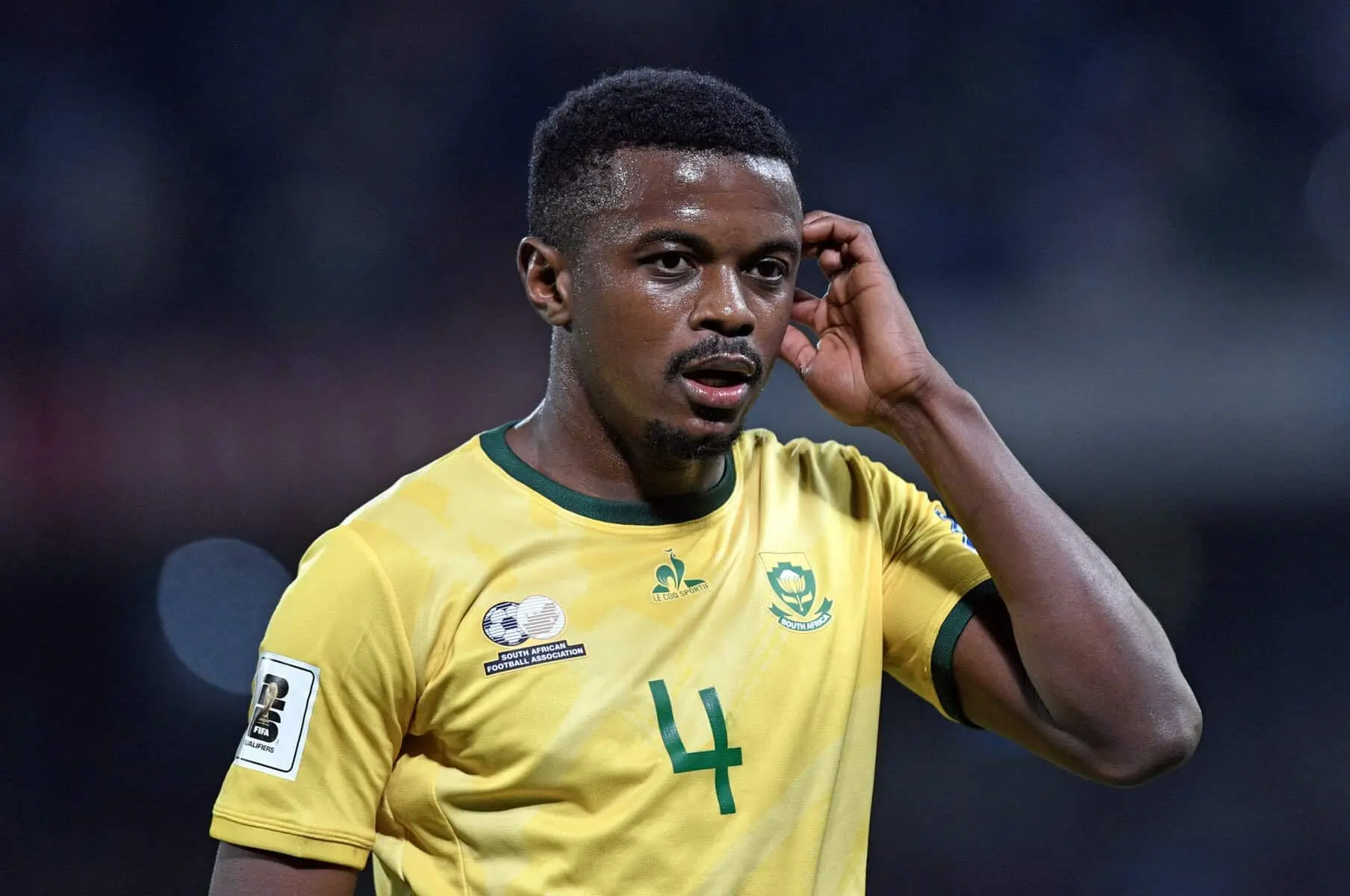
Modern coaching, sports science, player development systems, and international experience have reduced many historical disadvantages.
African football, in particular, has undergone significant evolution.
Players increasingly compete in Europe’s strongest leagues. Coaching standards continue to improve. Tactical sophistication has increased dramatically.
The result is a continent producing teams capable of competing with anyone on a given day.
The challenge has always been sustaining that level across an entire tournament.
This brings the conversation back to the African final between South Africa and Morocco.
For many observers, that match symbolized more than a battle for a continental title.
It represented evidence that African football is entering a new era.
An era where discussions about winning a World Cup are no longer dismissed as unrealistic dreams.
An era where tactical discipline, organizational strength, and collective identity can coexist with technical excellence.
Whether Ronaldo’s prediction ultimately proves correct remains impossible to know.
World Cups have a long history of defying expectations.
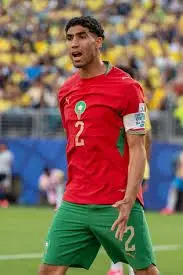
Favorites fall.
Underdogs rise.
Narratives change rapidly.
Yet what makes Ronaldo’s remarks compelling is not necessarily the prediction itself.
It is the reasoning behind it.
Rather than focusing on individual stars, he emphasized culture, unity, mentality, and collective purpose. Rather than discussing market values or media attention, he highlighted characteristics often visible only to those who have spent decades competing at the highest level.
Perhaps that explains why his comments have generated such intense discussion.
They challenge conventional assumptions about what makes a World Cup contender.
They encourage supporters to look beyond rankings and reputations.
And they place South Africa and Morocco at the center of a fascinating debate about the future of African football.
If one of these nations eventually reaches the latter stages of the tournament, many will undoubtedly revisit Ronaldo’s words and wonder whether he identified something others failed to see.
For now, however, the debate remains open.
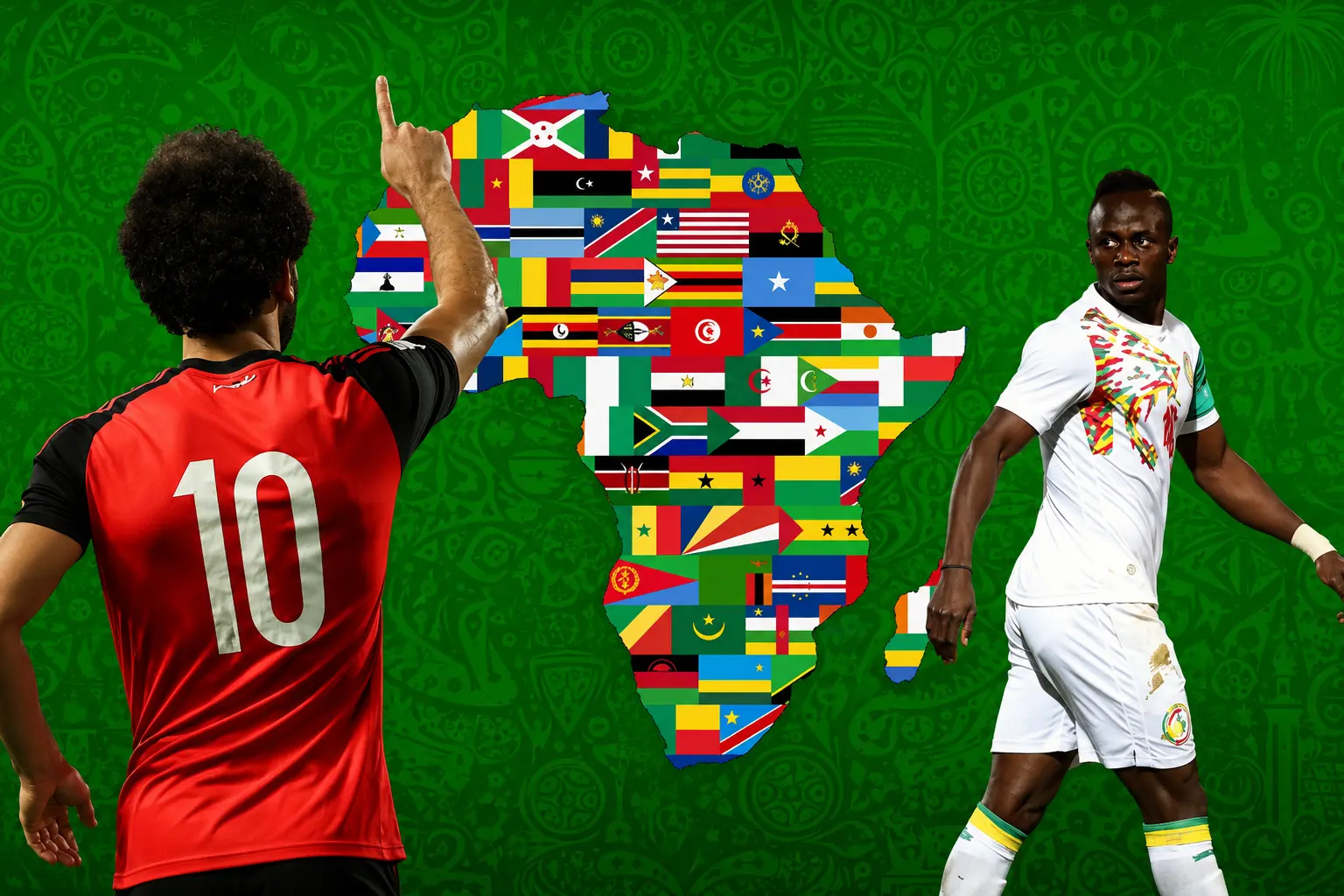
Was Cristiano Ronaldo correct to suggest that South Africa and Morocco possess the mentality, structure, and collective identity necessary to challenge for football’s greatest prize, or does winning a World Cup still require the kind of elite individual talent traditionally found only in the sport’s established superpowers?