
Recent reports from 2025 show Doyle experienced incidents typical in the sport: a broken collarbone from a fall at Chelmsford in April, requiring surgery and a recovery period of several weeks before returning to ride successfully for Wathnan Racing. In June at Royal Ascot, he won the Queen Elizabeth II Jubilee Stakes aboard Lazzat, only to be unseated moments after the line when the horse bolted loose—a dramatic but non-injurious moment that amused onlookers, including royalty, rather than causing serious harm.
Later in August, he missed rides at York due to a viral infection, a brief setback from which he recovered.
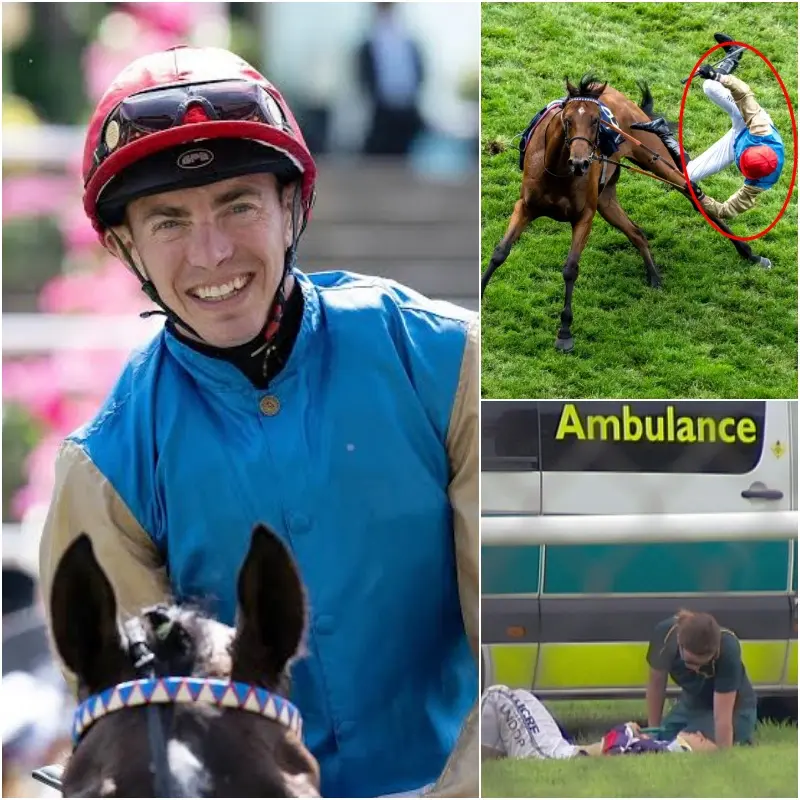
No verified news from major outlets like the Racing Post, At The Races, The Guardian, or The Mirror indicates any life-threatening accident, mysterious foul play, or reopened BHA investigation tied to the Ascot event or any recent race. The dramatic phrasing appears to stem from unverified Facebook posts and Instagram shares, often from fan pages or meme-style accounts, which have exaggerated or fabricated details for engagement—echoing soap-opera drama rather than factual reporting. Some observers have even mocked the claims as “baffling” or “outrageous,” likening them to scripted television rather than real events.
James Doyle remains one of Britain’s top Flat jockeys, retained by prominent owners like Wathnan Racing, with a career featuring Group 1 successes and Classic wins. He has faced the inherent risks of the profession—falls, injuries, and recoveries—but nothing matching the described crisis as of early 2026. Prayers and well-wishes are always extended to riders after spills, yet in this instance, they seem directed at a rumor without foundation.
His wife has not publicly called for any BHA probe into foul play from the Ascot race or elsewhere; stewards reviewed the Jubilee Stakes as routine, with no controversy noted beyond the post-race unseating. The BHA maintains strict protocols on riding infractions, interference, and safety, but no ongoing or reopened investigation has surfaced in connection to Doyle.
The spread of such alarming stories highlights challenges in the digital age, where unconfirmed posts can rapidly amplify concern. Racing fans are urged to rely on established sources for updates on jockeys’ welfare. Doyle’s most recent mentions involve competitive rides and stable successes, underscoring his ongoing professional strength rather than vulnerability.
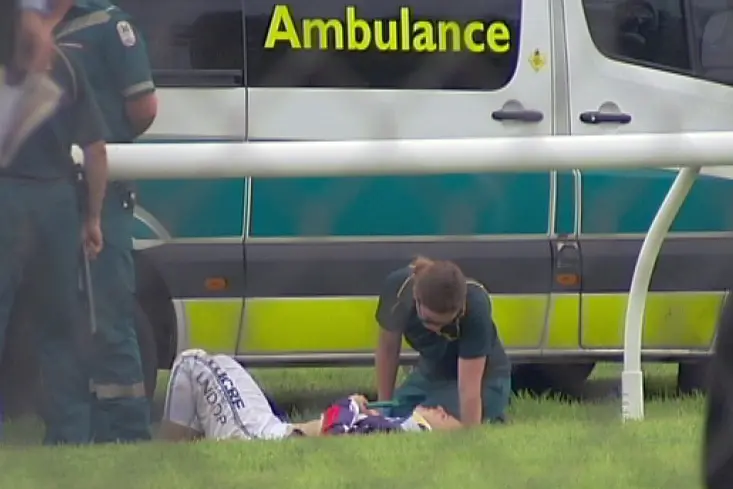
Should new developments emerge, the racing world would swiftly report them, given Doyle’s prominence. For now, the champion appears safe and active in his career, far from the brink described in viral headlines. The community continues to support all involved in the sport, recognizing the dangers jockeys brave daily, but without evidence of this particular tragedy.
In a sport where risk is part of the daily contract riders accept, it is not unusual for fans to react emotionally to any headline suggesting danger. Yet emotion should never substitute for verification. In the case of James Doyle, the contrast between documented events and viral embellishment could not be clearer. The record shows a fractured collarbone at Chelmsford, a successful surgical procedure, rehabilitation, and a return to competitive riding. It shows a jubilant victory at Royal Ascot followed by a loose-horse moment that, while visually dramatic, resulted in no serious injury.
It shows a short illness later in the summer. What it does not show is any credible evidence of catastrophe, conspiracy, or concealed investigation.
Professional flat racing operates under intense scrutiny. Every major meeting—particularly those at Ascot, York, or other premier venues—is covered in detail by broadcasters, racing correspondents, stewards, and regulatory officials. Incidents are logged, reviewed, and, where necessary, formally investigated. If there were genuine grounds for a reopened inquiry or allegations of foul play, authoritative bodies such as the British Horseracing Authority would issue statements, and established outlets would report developments swiftly. Silence from those channels is not evidence of a cover-up; it is far more plausibly evidence that there is nothing to report.
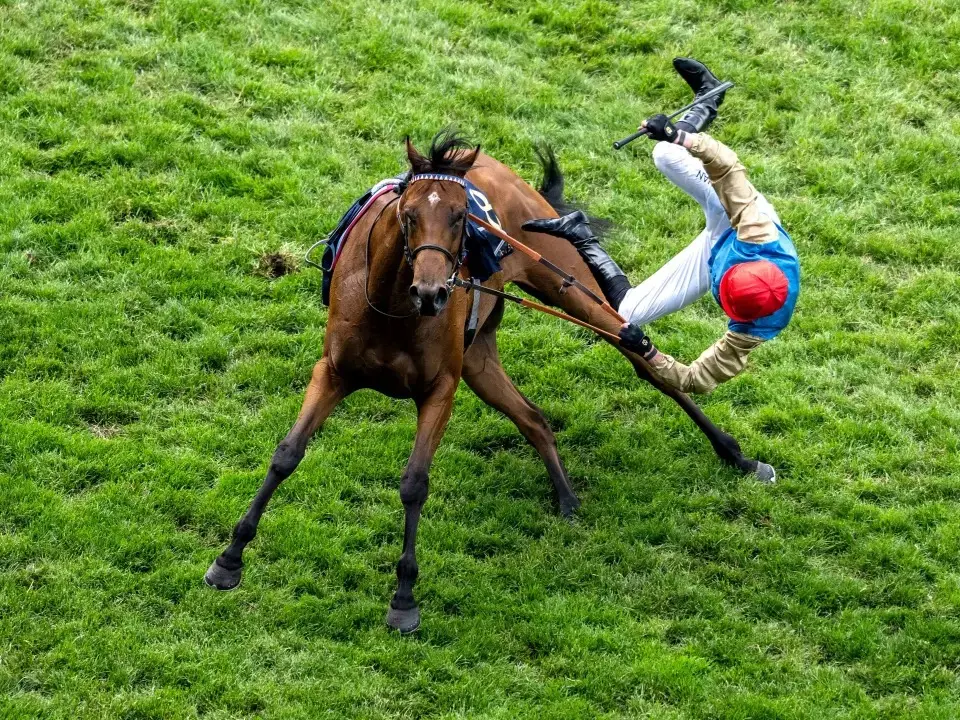
The Jubilee Stakes episode illustrates how easily perception can diverge from reality. In the seconds after Doyle guided Lazzat across the line to claim victory, the horse’s exuberant bolt created a chaotic visual. For television audiences and social media viewers, the clip—detached from context—became a dramatic looping moment. But racing insiders understand that such post-race antics, while undesirable, are not unprecedented. Horses are high-spirited, finely tuned athletes. Handlers and outriders are trained precisely to manage these situations. The official stewards’ review treated it as routine, not as a trigger for disciplinary or criminal speculation.
The broader issue at play is the amplification effect of modern platforms. A single post, often phrased with alarmist language—“mysterious circumstances,” “life-threatening twist,” “probe demanded”—can be replicated across dozens of pages within hours. Screenshots substitute for sourcing. Emotion substitutes for evidence. Once enough repetition occurs, casual readers may mistake ubiquity for authenticity. In reality, the absence of corroboration from respected publications such as the Racing Post speaks volumes.
Doyle’s professional trajectory further undermines the narrative of hidden crisis. Retained by Wathnan Racing and entrusted with high-value mounts, he remains a central figure in elite Flat competition. Owners do not place multimillion-pound bloodstock in uncertain hands. Trainers do not allocate Group-race rides amid unresolved controversy. The continued confidence shown in Doyle by major connections signals stability, not turmoil.
It is also worth recognizing the inherent culture of resilience within jockey ranks. Falls, fractures, and comeback stories are unfortunately woven into the fabric of the sport. Riders undergo rigorous medical assessment before returning to action. Clearance protocols are strict; welfare has become an increasing priority across British racing. The idea that a severe or suspicious incident could be concealed in such an environment stretches plausibility.
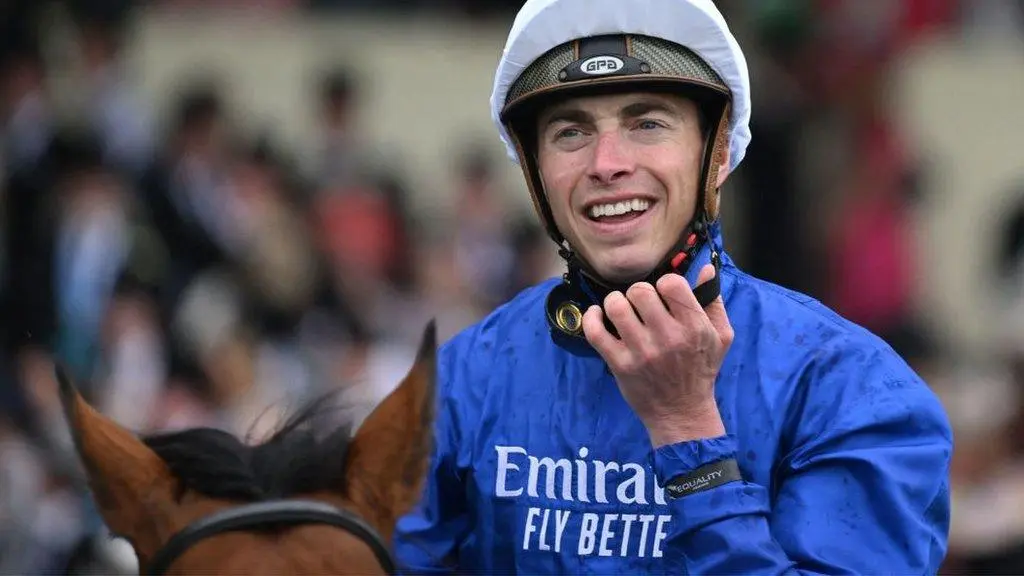
Public concern for rider safety is commendable. Prayers and well-wishes after spills reflect the tight-knit nature of the racing community. But when those sentiments are attached to unverified claims, they risk unintentionally fueling the very rumors they seek to address. Responsible support means waiting for substantiated updates, not amplifying dramatic conjecture.
As of early 2026, Doyle’s recent mentions revolve around competitive engagements, strategic partnerships, and ongoing participation in major fixtures. His presence in entries and declarations underscores continuity. Should circumstances change—should there be a genuine health emergency, regulatory development, or disciplinary action—the racing world’s established information channels would respond promptly and transparently.
For now, the narrative of looming tragedy appears to exist primarily within the echo chambers of viral content. The facts on record depict a top-tier jockey who endured routine professional setbacks, recovered, and resumed winning at the highest level. In a digital climate where sensationalism can masquerade as breaking news, distinguishing between documented reality and dramatic fiction is not merely advisable—it is essential.
The sport itself continues forward, with its blend of tradition, danger, and excellence intact. Doyle, like many of his peers, remains part of that ongoing story: competing, adapting, and pursuing further success rather than confronting the shadowy crisis imagined online.