
The State of Origin series stands as the pinnacle of Australian rugby league, a contest where the intensity of play, the pride of the jerseys, and the weight of regional expectation collide. Yet, the aftermath of the recent grand finale at Suncorp Stadium has shifted the national conversation from the brilliance of the athletes to the mechanics of the officiating process. In an unprecedented move, the NRL Referees Elite Department has announced an official investigation into the operations of The Bunker, following a widespread outcry regarding the consistency of decision-making during the decider.
This development, surfacing just moments ago, marks a rare acknowledgment of a systemic breakdown that many observers, players, and coaches have felt simmering beneath the surface for some time.
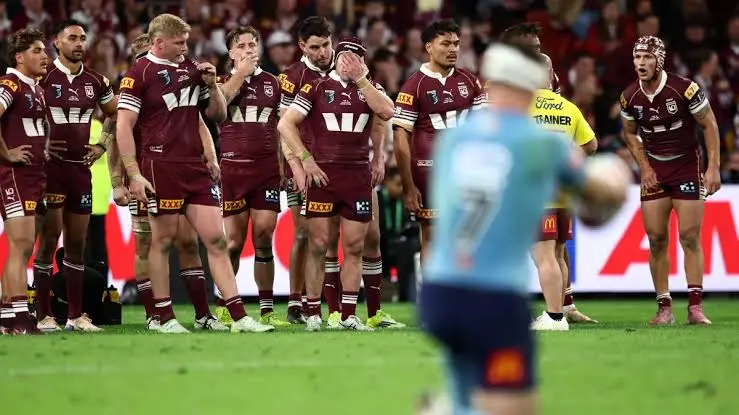
At the heart of this controversy lies the application of the video review system, a tool designed to enhance the accuracy of the sport but one that, in this instance, became a catalyst for confusion. The core of the complaint—and the basis for the NRL’s subsequent investigation—centers on the inconsistent interpretation of similar on-field incidents occurring within the same match. As the match progressed, high-definition footage transmitted via high-speed fiber-optic links from the Suncorp Stadium pitch to The Bunker provided officials with every conceivable angle.
Despite this technological advantage, the review team reached disparate conclusions for identical scenarios, sparking intense debate over whether the process is governed by a uniform set of rules or by the subjective whims of the officials on duty.
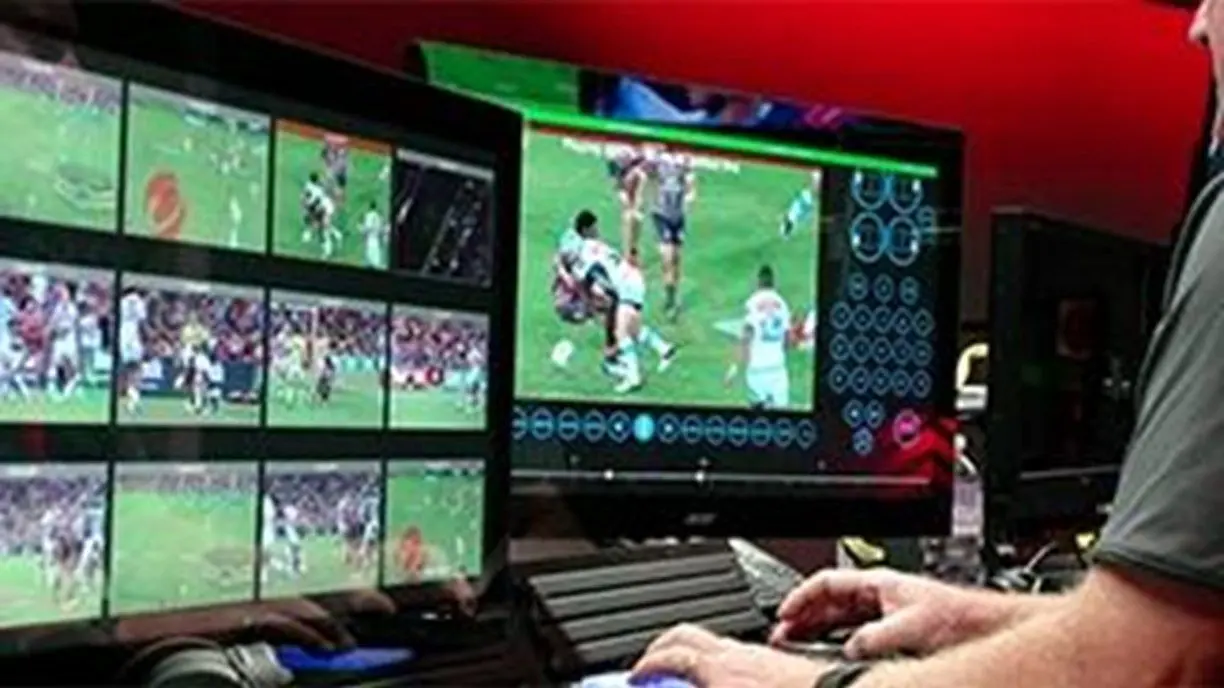
The investigation was triggered not merely by the volume of criticism from the fanbase, but by the discovery of internal discrepancies in how the video evidence was analyzed. Upon a retrospective audit of the match footage and the internal communication logs from The Bunker, the NRL Referees Elite Department identified a critical failure in the synchronization of refereeing standards. It appears that key moments, which demanded a consistent application of the law, were treated with varying levels of scrutiny and interpretation.
This lack of alignment—what many are calling a procedural failure—has resulted in an admission of error that is as significant as it is rare in the professional era of the sport.

In a move that has surprised many, the NRL has publicly addressed the grievance, issuing a statement that effectively acknowledges the frustration of the Queensland Maroons. While the official stance of the governing body typically leans toward protecting the integrity of its officiating team, the evidence revealed during the post-match review proved too compelling to ignore. The NRL Referees Elite Department has confirmed that the personnel staffing The Bunker during the match have been issued immediate sanctions.
This disciplinary action, which includes the temporary removal of these officials from active duty, reflects the severity with which the governing body is now treating the issue of perceived bias and inconsistency in its officiating.
The logistical complexity of modern officiating, which utilizes high-speed technology to analyze play in real-time, is intended to provide a safeguard against human error. However, this incident highlights the paradoxical nature of relying on technology to govern a sport that is inherently fluid and fast-paced. When the technology is used, yet the outcomes remain inconsistent, the focus inevitably shifts to the human component of the decision-making process. The question is no longer whether the technology works, but whether the officials operating it are functioning with the required level of consistency, objectivity, and adherence to the stated rules of the game.
The implications for the future of the game are substantial. By publicly acknowledging that the officiating in the State of Origin decider fell short of the required standards, the NRL is attempting to restore public confidence in its processes. This is a difficult task in a competition as tribal and emotionally charged as State of Origin. The supporters of both the Queensland Maroons and the New South Wales Blues are deeply invested in the fairness of the outcome, and any perception of an uneven playing field threatens the credibility of the competition.
The intervention by the elite department is not just about correcting a past mistake; it is about reassuring the fans that the game’s governing body remains committed to the integrity of the contest.
Furthermore, this situation reignites the debate regarding the degree of influence that The Bunker should hold over the on-field referee. There is a growing school of thought suggesting that the over-analysis of replays, coupled with the slow, frame-by-frame dissection of incidents, may be detrimental to the natural rhythm of the game. The incident at Suncorp Stadium serves as a prime example of where “technological perfection” failed to deliver justice, as the microscopic focus on details may have caused the officials to lose sight of the broader spirit and flow of the match.
The investigation will now likely expand to include a review of the protocols currently in place, with the possibility of limiting the scope of video intervention in future high-stakes matches.
As the rugby league community processes these revelations, the dialogue has moved toward what steps can be taken to ensure such inconsistencies do not repeat themselves. The NRL, in its statement, emphasized that the educational process for video referees would be intensified, and that a more rigorous system of oversight would be implemented to ensure that every decision is backed by solid, consistent logic. Whether this will satisfy the critics remains to be seen.
The damage caused by an inconsistent performance in a game of this magnitude is profound, and the road to regaining the trust of the players and the fans will be long.
The story is not just about the sanctions or the apology; it is about the evolution of the sport. As the game continues to advance in its use of technology, the human element becomes even more critical. The ability to interpret the rules with consistency, regardless of the pressure or the stakes, is what separates a world-class official from one who struggles under the spotlight. The NRL’s decision to investigate and sanction its staff is a bold move, one that signals a shift away from the reflexive defense of officials and toward an era of greater accountability.
Whether this shift will result in a more equitable game remains the most pressing question for the governing body, the players, and the fans who follow the sport with such devotion.
As the NRL moves to restructure its approach to video officiating following the clear discrepancies seen at Suncorp Stadium, do you believe the solution lies in stricter technical protocols and more training for Bunker officials, or should the sport consider a more radical reduction in video intervention to allow the on-field referee to return as the ultimate arbiter of the game?