

BREAKING NEWS: Emily Maglio’s Emotional $2 Million Promise Redefines the Future of Canadian Volleyball
In a moment that transcended sport, Emily Maglio delivered one of the most powerful post-match speeches in recent volleyball history. Following Canada’s stunning victory over the United States at the VNL 2026, the team captain transformed triumph into purpose.
The atmosphere inside the press conference room was already electric after Canada’s unexpected win. Journalists anticipated tactical analysis and celebration. Instead, they witnessed a deeply personal revelation that shifted the narrative from sport to social impact, leaving even seasoned reporters visibly emotional.
Maglio began by grounding her story in humble origins. Born in Cranbrook and raised in Coquitlam, she spoke candidly about the realities of growing up in a family where financial limitations often dictate access to opportunities, including organized sports like volleyball.
Her words carried authenticity, not rehearsed sentiment. She admitted that as a child, she nearly abandoned her volleyball dreams because her family struggled to afford training, travel, and equipment—barriers that quietly eliminate countless young athletes before they ever begin.
That vulnerability resonated far beyond the room. Millions of Canadian fans watching online connected with her experience, recognizing a broader truth: talent is universal, but opportunity is not. Maglio’s speech illuminated a systemic issue often overlooked in elite sports conversations.
Then came the announcement that changed everything. With unwavering conviction, Maglio revealed she would dedicate $2 million from her salary and endorsements to create the “Maglio Volleyball Dream Court,” a free training facility for underprivileged youth.
The scale of the commitment stunned observers. In an era where professional athletes are often associated with luxury and branding, Maglio’s decision represented a radical reinvestment of personal success into community development, redefining what leadership in sports can look like.
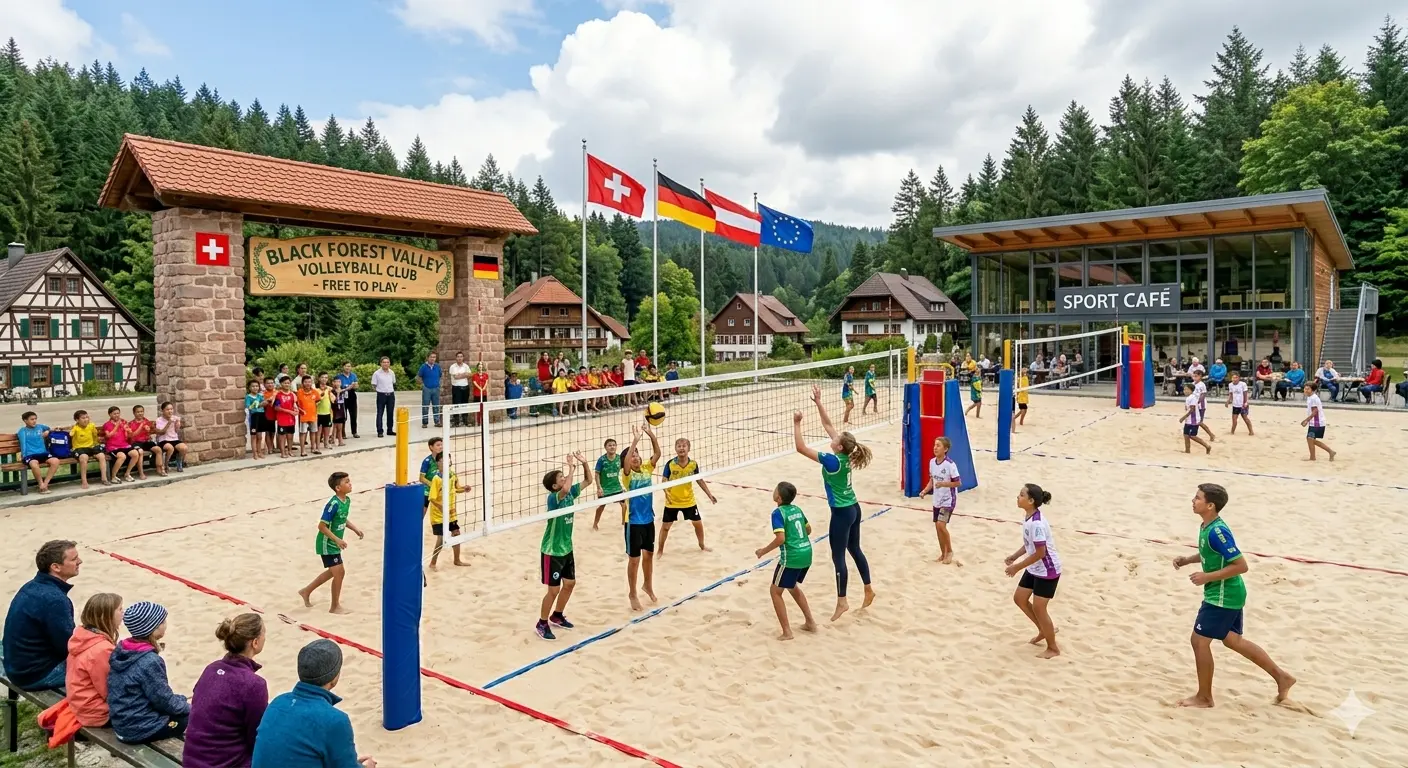
The proposed facility will be built in both Coquitlam and Cranbrook, symbolically bridging her past and present. These locations were not chosen randomly—they represent the communities that shaped her identity and the environments where similar dreams are still waiting for opportunity.
According to early details, the Dream Court will feature modern indoor and outdoor volleyball spaces, professional-grade equipment, and structured training programs. Most importantly, access will be entirely free, removing the financial barriers that once challenged Maglio herself.
Experts in youth development have already praised the initiative as transformative. By eliminating cost, the program could dramatically increase participation rates among disadvantaged children, potentially uncovering a new generation of Canadian volleyball talent previously excluded by economic constraints.
The emotional weight of the moment intensified as Maglio paused during her speech, visibly holding back tears. Her voice trembled as she described the countless children who “just need one chance,” a phrase that quickly began trending across social media platforms.
Teammates later described the announcement as “completely unexpected.” Many admitted they were unaware of her plans, making the moment even more impactful. The revelation strengthened team unity, turning a shared victory into a collective mission beyond competition.
Fans across Canada responded with overwhelming support. Within hours, hashtags related to the Dream Court project surged online, with thousands praising Maglio not only as an athlete but as a role model redefining the purpose of sporting success.
Corporate sponsors also took notice. Several major brands hinted at potential partnerships to expand the initiative, suggesting that Maglio’s $2 million commitment could serve as a catalyst for a much larger nationwide movement in youth sports accessibility.

Sports analysts have compared this moment to some of the most iconic acts of athlete philanthropy. However, many argue that Maglio’s initiative stands apart because of its direct connection to her personal story and its focus on long-term infrastructure rather than one-time donations.
The victory over the United States, while significant, quickly became secondary in public discourse. Headlines shifted from match statistics to human impact, highlighting how a single decision can redefine the legacy of an entire sporting event.
In Coquitlam and Cranbrook, local communities are already expressing pride and anticipation. Parents, coaches, and young athletes see the Dream Court as more than a facility—it represents hope, access, and validation for dreams that once felt out of reach.
Educational leaders have also expressed interest in integrating the facility into school programs. This could further extend its impact, ensuring that volleyball becomes not only accessible but also a structured pathway for personal and athletic development.
Maglio’s announcement also raises broader questions about inequality in youth sports. Her story challenges governing bodies and organizations to reconsider how talent is identified and supported, particularly in communities facing economic hardship.
Critically, the Dream Court project is not framed as charity, but as investment. Maglio emphasized empowerment over assistance, signaling a shift in how athletes can approach community engagement—with dignity, sustainability, and long-term vision.
As the press conference concluded, there was a sense that something historic had occurred. Not just a victory on the court, but a turning point in how athletes can leverage their platforms to create meaningful societal change.
For Emily Maglio, this moment will likely define her legacy more than any medal or match result. She has positioned herself not only as a champion of volleyball, but as a champion of opportunity.
In the years to come, the true impact of the Maglio Volleyball Dream Court will be measured not in headlines, but in lives changed. For every child who steps onto that court, her promise becomes a reality—and a new story begins.